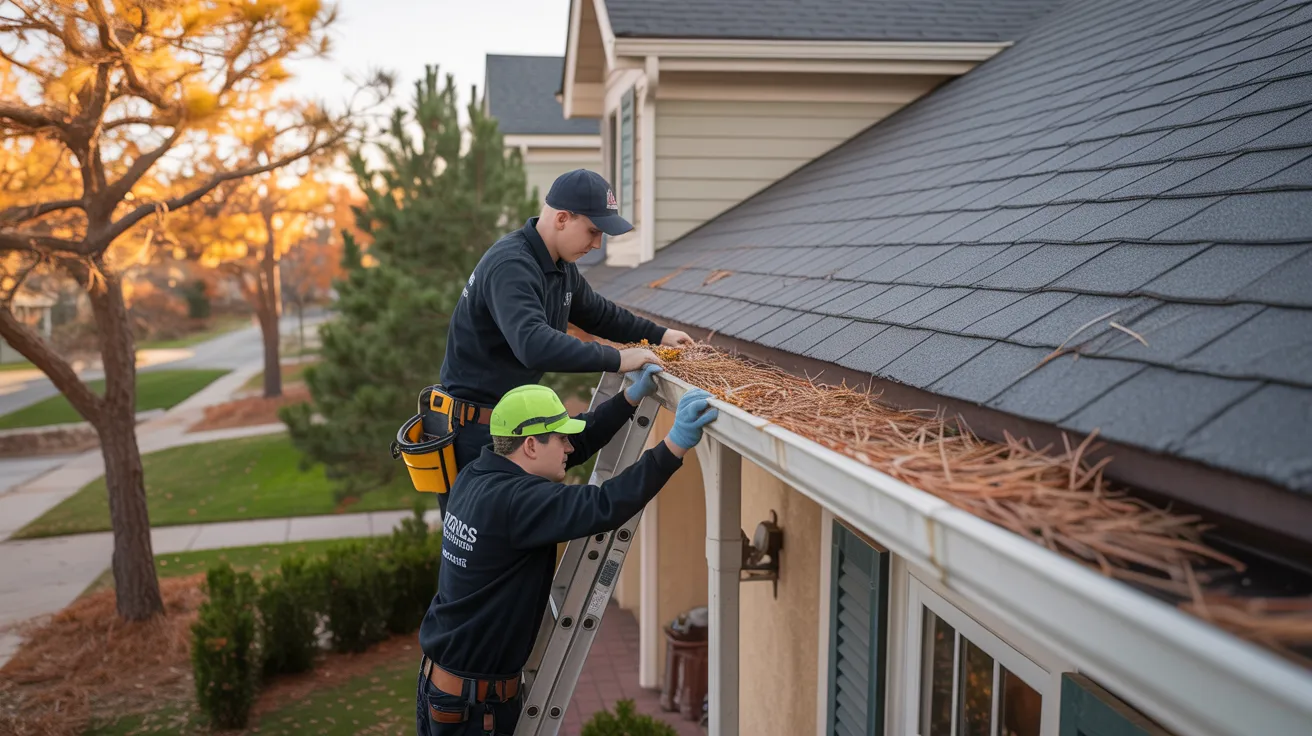
In Colorado Springs, you should determine gutter cleaning, fixes, or replacement based on discharge capability, attachment condition, and weather wear. If blockages blocks otherwise intact gutters, seasonal cleaning can reestablish flow and safeguard your roof, siding, and foundation. If you observe seam leaks, sagging runs, loose hangers, or detached downspouts, precise repairs often resolve the problem. If deterioration spreads, pitch fails, or leaks keep returning, replacement usually makes better extended sense.
Primary Takeaways
- Colorado Springs homeowners should evaluate gutters after hail events, wind, or freeze-thaw cycles for leaks, sagging, loose hangers, and pooling near the foundation.
- If debris obstructs otherwise sound gutters, professional cleaning and seasonal service usually return drainage and avert roof, siding, and foundation damage.
- Repair isolated problems like seam leaks, detached downspouts, small corrosion, and sagging sections before they result in soffit rot or water intrusion.
- Replace gutters when multiple sections fail, pitch is irregular, rust spreads, or frequent repairs no longer eliminate leaks and separation.
- For Colorado Springs, heavier-gauge seamless aluminum gutters are perfect because they combat rust, limit leak points, and better handle hail and temperature swings.
Are You in Need of Gutter Service, Correction, or Replacement?
Should your gutters overflow in a minor rain, detach from the fascia, or stay full with debris, you'll probably need beyond a standard inspection. Start with a DIY inspection: check joints, downspouts, slope, and noticeable corrosion. When debris impedes water flow but gutter sections stay sound, maintenance and seasonal maintenance typically return normal performance.
Restoration is the appropriate solution when you identify individual leaks, loose hangers, modest seam separation, or one damaged downspout. Targeted repairs can fix drainage, shield soffits, and increase service life without full replacement. If channels sag noticeably, seams fail repeatedly, or rust, cracks, and holes impact multiple runs, replacement is typically the smarter investment. A professional inspection establishes structural condition, reveals hidden fastening issues, and helps you compare near-term repair costs against long-term replacement value accurately.
Why Colorado Springs Gutters Fail More Quickly
Rapid gutter deterioration develops in Colorado Springs because powerful sun weakens materials, hail dents channels, and freeze-thaw cycles repeatedly split seams and loosen fasteners. Also, you deal with heavy pine needles and windblown debris that retain moisture, impede flow, and accelerate corrosion. When you comprehend these area stressors, you can detect early signs of failure and choose the correct cleaning, repair, or replacement plan.
Extreme Sun Exposure And Hail
Your gutters deteriorate at an accelerated rate in Colorado Springs than in milder climates because the area blends intense UV exposure with regular hailstorms. Intense sunlight breaks down polymer coatings, deteriorates sealants, and speeds up thermal expansion in metal sections. As fasteners become loose and joints sacrifice flexibility, you're more likely to experience leaks, sagging, and separation at seams.
Impact stress from hail compounds this present solar wear. Even small stones can dent aluminum, chip protective finishes, and damage brackets already affected by daily heat cycles. Your system's service life is reduced and flow performance is reduced by repeated storms if it lacks adequate hail resilience. Inspect for cracked sealant, exposed metal, distorted channels, and loose hangers after major weather events. Choosing heavier-gauge materials and UV-stable finishes helps your gutter system resist Colorado Springs' harsh sun and hail better overall.
Freeze-Thaw Harm Cycles
When thermal conditions fluctuate above and below freezing, your gutters experience one of the most harmful stress patterns in Colorado Springs. Meltwater seeps into seams, fastener holes, and small coating fractures during midday warming. Freeze expansion turns that trapped moisture into external pressure overnight, widening joints, distorting hangers, and speeding up corrosion at exposed metal.
Ice jacking forces loose sealed connections and lifts gutter sections away from the fascia as this cycle repeats. After only one tough winter, you'll often observe new slope problems, standing water, and leaks near end caps. Freeze-thaw stress also degrades brackets, so snow loads and runoff impact become more destructive. Modest misalignment or failing sealant in your system enables these temperature reversals to quicken failure dramatically. You can limit structural damage and service interruptions through timely inspection, resealing, and firm reattachment.
Debris And Pine Needle Matter
While freeze-thaw cycles are typically faulted, pine needles and roof debris set up the blockage environments that make Colorado Springs gutters to break down even more rapidly. Wind propels needles, grit, and shingle granules into channels and downspouts on inclined roofs, where pine needle deposits creates a dense mat that captures moisture and hinders discharge.
Once water circulation drops, debris compaction boosts load, retains sediment against metal, and quickens corrosion at seams, fasteners, and end caps. Standing water also accumulates, which marks fascia, pools under shingles, and spills near foundations. During storms, packed debris diverts flow over gutter edges, which loosens hangers and distorts pitch. Routine cleaning is critical here because needles won't wash out effortlessly; they tangle, oppose flushing, and hold your system wet for longer periods after every precipitation event.
When Gutter Care Forestalls Costly Damage
When you clear your gutters on schedule, you reduce pooled water that can penetrate under shingles and produce roof leaks. You also manage runoff, which aids shield your foundation from soil loss, soil expansion, and basement moisture. Just as essential, you extract the damp debris that invites insects, rodents, and other pests before they can settle in.
Preventing Roof Leaks
Gutters that are blocked can subtly change a slight drainage matter into a roof leak by capturing water along the eaves and driving it beneath shingles, flashing, and drip edge components.
Routine gutter cleaning helps you to preserve a clear drainage path, so water leaves the roofline instead of accumulating near edges and valleys, and that lowers the chance of moisture intrusion, wood rot, and insulation damage inside your attic.
It also promotes proper attic ventilation by restricting damp conditions that can compromise airflow and encourage condensation, and in Colorado Springs, snowmelt and windblown debris make seasonal service especially important.
If you maintain gutters clean and correctly pitched, you preserve roofing materials, increase system life, and minimize the likelihood of high-cost leak repairs later.
Preventing Foundation Damage
When your gutter system won't discharge water effectively, the damage extend beyond your roof—your foundation experiences significant risk. Gutter backups cause overflow to accumulate at your home's perimeter instead of flowing away safely through downspouts. The resulting persistent saturation degrades bearing soils, accelerates soil erosion, and creates hydrostatic pressure against foundation walls.
By preserving gutters clean and appropriately pitched, you achieve control over roof runoff before it pools near footings. Effective discharge protects grading, prevents settlement, and minimizes the chance of cracks in slabs, crawl spaces, and basement walls. This also decreases the probability of basement seepage, specifically during Colorado Springs storms or spring snowmelt. Consistent gutter upkeep constitutes a easy preventive step that safeguards structural stability and enables you escape substantial foundation repairs over time.
Pest Invasion Prevention
Because abandoned gutters accumulate natural waste and stagnant water, they establish excellent harborage and reproduction situations for pests that can harm both outside structures and interior living spaces. Blocked troughs that run over behind fascia and soffits elevate the probability of bug shelter, wasp nesting, and concealed water infiltration.
Breaking down leaf matter, seed buildup, and moist sediment that entice ants, mosquitoes, birds, and rodents are extracted through routine gutter cleaning. By returning correct drainage, you lower humidity near roof edges and remove entry points formed by sinking sections, disconnected joints, and rotted wood. That matters because damaged trim and open gaps facilitate rodent entry into attics, wall cavities, and insulation systems. Consistent maintenance halts pest activity early, protects enclosure integrity, and prevents building repairs, contamination cleanup, and continuous extermination costs over time.
Warning Signs That Suggest Gutter Repair is Needed in Colorado Springs
Even though gutter systems typically wear out gradually, homeowners can recognize the warning signs before they cause major damage to your Colorado Springs residence. Look for bowing sections, disconnected joints, and fasteners separating from the fascia. These indicators indicate the system no longer move runoff with adequate alignment or support.
You should also look for corrosion stains, cracking paint, and thin cracks along channels and seams. When storms strike, inspect for water gathering near your foundation or water running over the gutter edge. Inside, look for damp soffits, stained siding, or mildew near rooflines. Throughout Colorado Springs, freezing and thawing cycles and wind can worsen these symptoms. If you detect ongoing overflow, apparent deformation, or specific corrosion, your gutters likely need expert evaluation before slight defects become structural deterioration elsewhere.
What Can Gutter Repair Fix?
Addressing gutter issues early can correct numerous system problems before they migrate to the roofline, fascia, or foundation. Correcting leaks at end caps, seams, and outlet connections avoids runoff from soaking soffit boards or siding. Proper resealing and fastening also eliminate sections from pulling apart under snow load or wind stress.
Slumping runs that interrupt pitch and cause water pooling near corners or hangers can be fixed. Technicians resecure detached hangers, eliminate localized blockages, and realign troughs so water analysis drains to downspouts as engineered. Disconnected downspouts, bent sections, and minor corrosion that produce water spillage beside the home can also be fixed. Installing or adjusting leaf guards can restore flow and minimize recurrent clogging if debris intrusion is resulting to overflow. Timely repair helps safeguard basement walls, walkways, and soil grade from moisture damage.
When Gutter Replacement Is the Superior Option
Gutter replacement often is the smarter choice over repeated repairs when damage affects multiple sections or adequate pitch can no longer be maintained. That condition typically arrives when seams continuously separate, corrosion advances, fasteners separate from fascia, or leaks recur after fixes. By that stage, repairs amount to cumulative costs without recovering full hydraulic performance.
Evaluating replacement timing is recommended if your gutters are undersized for actual roof runoff or if previous repairs have caused inconsistent slopes. A full replacement lets you correct alignment, hanger spacing, outlet placement, and drainage capacity in one scope of work. It also offers the opportunity for material upgrades that enhance corrosion resistance, joint integrity, and service life. When your existing system exhibits widespread failure, replacement more effectively protects your roofline, siding, foundation, and ongoing maintenance budget.
Colorado Springs House Gutter Options: Top Picks
If repeated repair no longer makes sense and replacement is warranted, the following phase involves selecting a gutter system appropriate for Colorado Springs conditions. It's important to select material options and profiles that can endure snow loads, quick freeze-thaw cycles, hail, and strong UV exposure without deforming or rusting.
The typical option for most properties is aluminum gutters. Light structure, rust-resistant qualities, and seamless configurations that minimize leak points make them effective. Against hail impact and seasonal movement, a heavier gauge works considerably better. Homes with traditional or architectural style are well-fitted to half round gutters. While their smooth interior enhances water flow and slows debris buildup, they need exact bracket spacing and slope control. In steeper roof areas, larger downspouts and properly sized troughs improve drainage capacity during heavy summer thunderstorms and spring snowmelt events.
Engaging Advice and Gutter Expenses in Colorado Springs
Compare bids thoroughly, because gutter pricing in Colorado Springs differ with material type, gauge, profile, roofline design complexity, linear footage, downspout count, and whether you opt for seamless fabrication. Ask each installer for identical specifications, fastener spacing, outlet sizing, and warranty coverage terms so you can compare true scope, not just pricing.
Before agreeing, you should verify licensing, insurance, and local references. Ask for a written estimate that separates removal, disposal, fascia fixes, gutter guards, and labor rates. That itemization facilitates seasonal budgeting and avoids unanticipated change orders. Be cautious of unusually low bids; they commonly omit drip edge repairs or correct hanger spacing. DIY mistakes encompass improper slope, undersized downspouts, and inadequate fastener options, all of which can lead to overflow or ice damage. A professional installer should clarify code requirements, water management, and future maintenance.
Frequently Asked Questions
What's the Proper Interval for Gutter Inspections in Colorado Springs?
Schedule to inspect your gutters two times annually, with fall and spring being ideal seasons, to catch debris accumulation, separated joints, and drainage problems early. Colorado Springs routine assessments are particularly important since wind, snow, hail, and pine needles hasten breakdown. You should also conduct inspections following storms after intense rainfall, hail, or severe winds. More routine assessments are generally necessary if your property has multiple trees or steep rooflines.
Do Gutter Guards Manage Pine Needles and Roof Grit Well?
Yes—and coincidentally, effectiveness rests almost wholly on guard design. Micro mesh guards are most efficient for processing pine needles and roof grit since their small screening prevents minute debris while allowing water drain. Reverse curve systems can repel needles well, but roof grit frequently drops into the gutter. No guard is truly zero-maintenance; you should still examine regularly to ensure flow, avoid buildup, and identify wear before water flow is compromised.
Are Seamless Gutters Beneficial It for Older Colorado Springs Homes?
Yes, seamless gutters are often worth it for mature Colorado Springs homes. You get reduced joints, so leaks decrease and drainage performs better during snowmelt and heavy hail storms. Correctly sized aluminum or steel systems also safeguard fascia, foundations, and landscaping, which supports property value. If you own a home with heritage concerns, you can pair profiles and colors meticulously, keeping appearance while improving performance. Professional installation guarantees accurate pitch and durable attachment.
Can Homeowner's Insurance Cover Gutter Damage Resulting From Hail?
Hail impacts like a drumbeat on metal, and it may trigger your homeowner's coverage for gutter damage when the policy classifies hail as a covered peril. You must confirm hail benefits, your out-of-pocket amount, and whether wear, corrosion, maintenance failure, or existing problems are mentioned under policy exclusions. Document the damage immediately with images and inspection notes. If adjusters confirm hail-caused impact, you can typically receive repair or replacement fees, subject to contract limits.
What's the Duration for a Average Gutter Installation?
A standard gutter project takes approximately one day for an standard residence, generally 4 to 8 hours. Your project timeframe is influenced by roof complexity, total footage, quantity of downspouts, fascia condition, and climate conditions. You'll see quicker completion when crew coordination is tight and materials come in pre-cut. If your home requires fascia repairs or custom fabrication, you should plan for the project stretching into a second day in some cases.
Conclusion
If you stay proactive, you'll protect your Colorado Springs property from roof edge rot, foundation moisture, and drainage issues. Clear gutters on schedule, fix leaks and loose sections early, and swap out old systems before they become the factor that breaks the camel's back. With the correct material, proper sizing, and professional installation, your gutters will control snowmelt, debris, and severe storms more effectively. A qualified local contractor helps you make economical decisions that endure over time.